
By Ray Colmenar, President of Akonadi Foundation

Congresswoman Lateefah Simon has a long history of public service that is deeply rooted in Oakland and the Bay Area, just like Akonadi Foundation. While she may be serving her constituents from the halls of Congress, just a few years ago, Congresswoman Simon was the president and a board member of Akonadi. She brought her commitment to community organizing and advocacy honed at the Rosenberg Foundation, Young Women’s Freedom Center, and Lawyers’ Committee for Civil Rights of the San Francisco Bay Area. In her six years leading Akonadi, Congresswoman Simon left a remarkable impact, including launching our All In for Oakland initiative, which resourced key movement organizations in their work to end the criminalization of Black youth and youth of color, and consistently uplifting community needs in our approach to grantmaking. I am grateful to be carrying on the tradition of what she began in her tenure.
In honor of our 25th anniversary, we asked her to reflect on her experiences at Akonadi and what continues to move her as she serves in the U.S. House of Representatives and fights for the well-being and success of her district – including Oakland, Berkeley, Alameda, Emeryville, Albany, San Leandro, and Piedmont – at the national level.
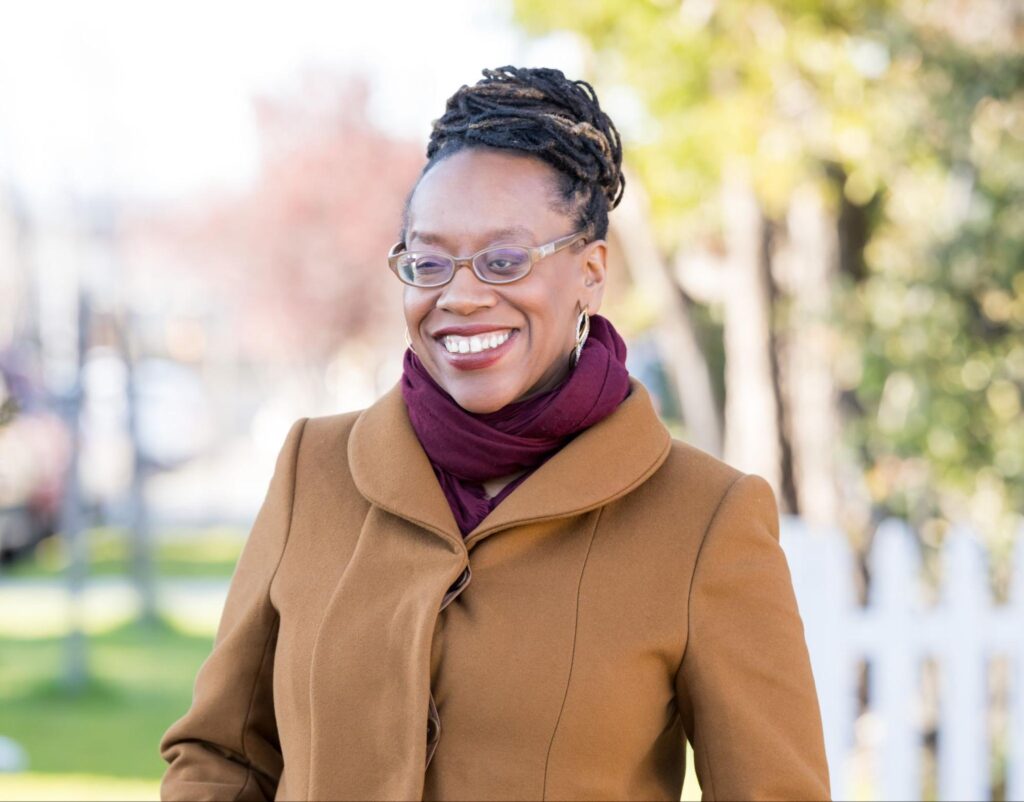
What gives me hope is that Oakland’s future is still unwritten. Each generation has added its own chapter, and this one is no different. Every day, the city grapples with profound challenges: affordable housing, safety, and opportunities for working families. Yet every day, Oakland produces joy and beauty.
Q: What did it mean to work at a place-based institution that was so deeply rooted in Oakland’s people, culture, and spirit?
A: To work at Akonadi was to join in the fight for and with the living tradition of Oakland. This city has always been a crucible of justice, where over 100 languages are spoken and where families come to labor, create, and raise children in the face of immense challenges and extraordinary possibilities. Akonadi was not an institution that stood apart. It chose to stand with. It understood that justice requires proximity and that resources must flow directly to the communities that carry the work forward. To be part of Akonadi was to witness what happens when philanthropy becomes a partner in struggle rather than a distant observer.
Q: What first inspired your work in community organizing, and how did Akonadi fit into that mission for you?
A: I began organizing in my late teens as a young woman and on behalf of young women who had been pushed out, silenced, or criminalized. It was work born of necessity, fueled by conviction, and shaped by mentors who taught me that survival itself was a form of resistance. The founders of Akonadi saw me when I was still very young, and they invested in my leadership. That act of faith altered the course of my life. Akonadi fit seamlessly into my mission because it was built to invest in people, not in abstractions. It resourced movements that dared not only to resist oppression but also to imagine freedom.
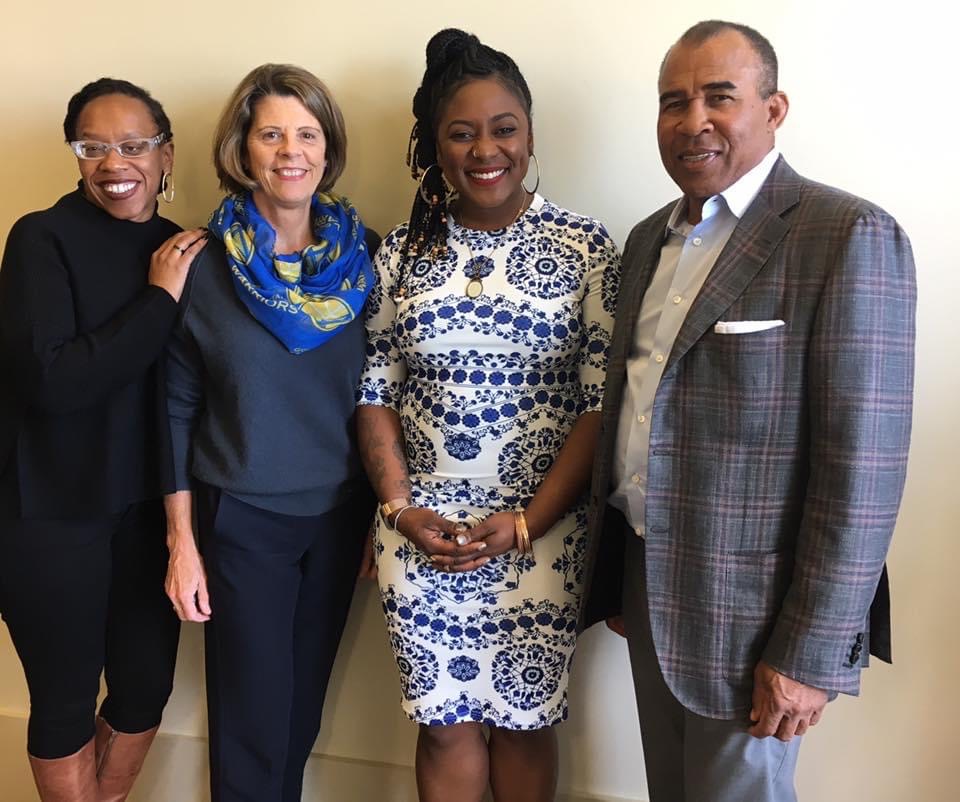
Q: What are some of your favorite moments or projects during your time at Akonadi?
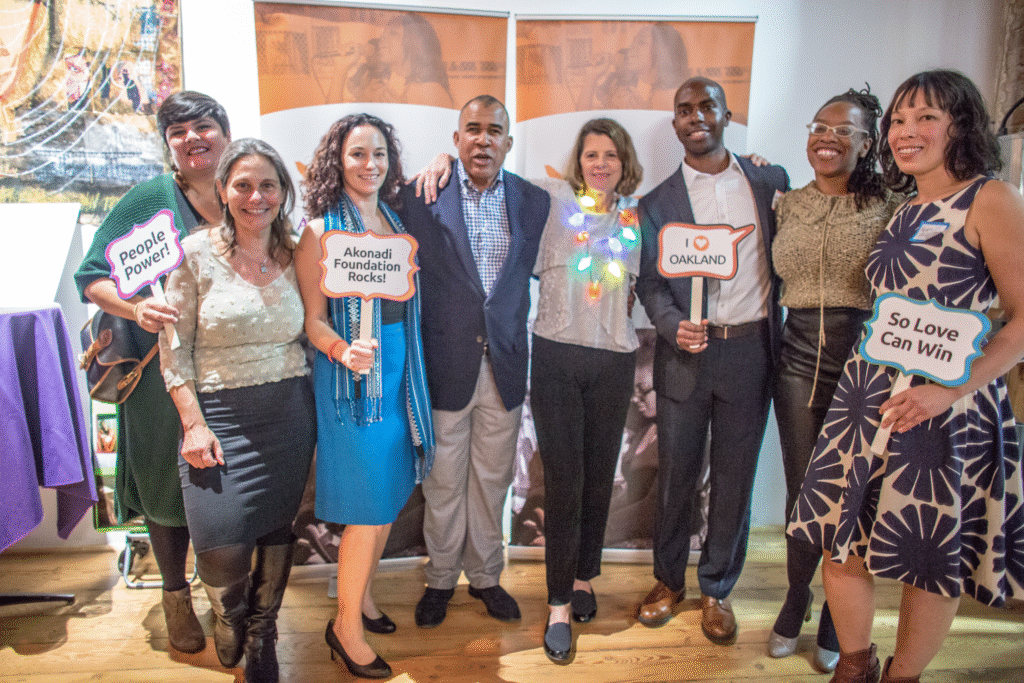
A: The moments I remember most vividly are the ones when Oakland’s many movements came into the same room. Organizers, cultural workers, elders, and young visionaries gather with equal voice and equal claim to the future. The So Love Can Win Fund was emblematic of that spirit. It reminded us that love is not sentimental but radical, that joy and imagination are as essential to justice as strategy and discipline. My favorite projects were those that blurred the line between political work and cultural creation, because that is where Oakland has always been at its strongest.
Q: We are living in a complicated political and economic battle for the future of Oakland. What gives you hope these days? What issues are you most tuned in to?
A: What gives me hope is that Oakland’s future is still unwritten. Each generation has added its own chapter, and this one is no different. Every day, the city grapples with profound challenges: affordable housing, safety, and opportunities for working families. Yet every day, Oakland produces joy and beauty. Murals rise, music is born, festivals bring us together, and young people claim their rightful place in shaping what comes next. The issues I watch most closely are those where economic survival and racial justice converge. Housing, education, and the dignity of labor. These are not separate struggles but interconnected battles over who gets to live, to dream, and to stay rooted in this city.
Oakland’s Black population has been steadily declining for decades. In 1980, nearly half of the city was Black. By 2010, it had fallen below 30%, and today Black Oakland accounts for a population share closer to one-fifth. This reality is a reflection of displacement, of structural exclusion, and of families pushed out of the very city they built. We must be clear: Oakland’s future cannot be imagined without its Blackness. The culture, politics, and movements that have defined this city and inspired the world are inseparable from the lives and leadership of Black Oaklanders. Our task is to ensure that this legacy does not fade. Preserving and expanding Black presence here is not nostalgia. It is a commitment to justice, to memory, and to possibility. The fight for Oakland’s future is also the fight to make sure its Blackness remains central to its story.
Racial justice is not a slogan to be repeated. It is a practice carried out daily in neighborhoods, schools, and workplaces. Begin where you stand, but know that your work is part of a larger tradition.
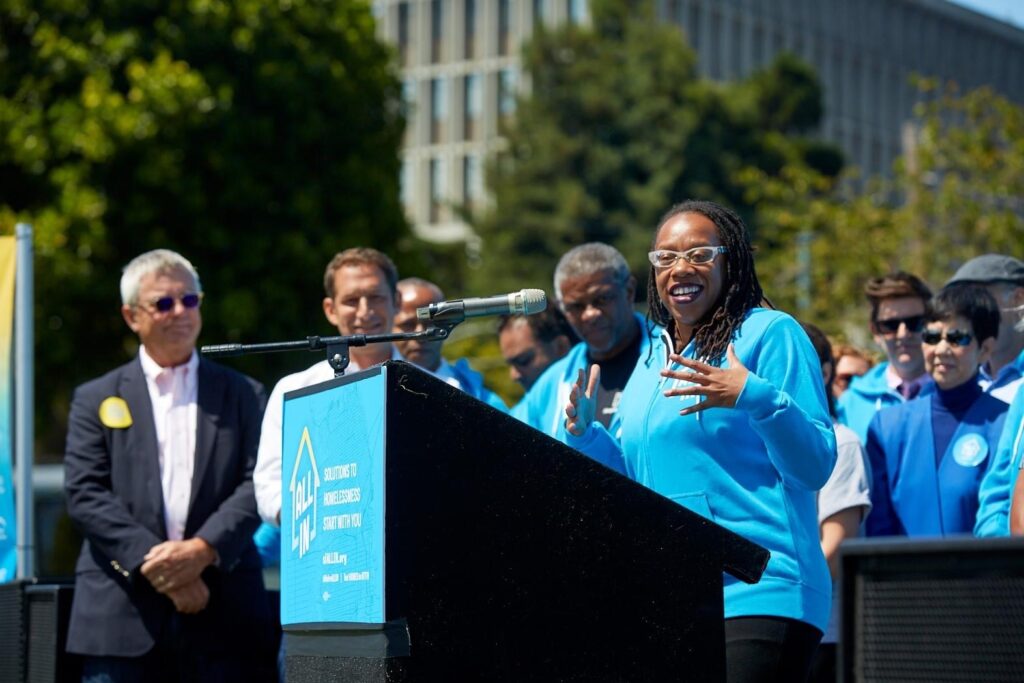
Q: What advice or parting words do you have for Oakland community members interested in making a difference in their home and continuing to advance racial justice?
A: Oakland has given the world more than movements. It has provided the world with blueprints for how ordinary people transform systems and reimagine possibilities. My advice is to recognize that inheritance and carry it with both humility and courage. Racial justice is not a slogan to be repeated. It is a practice carried out daily in neighborhoods, schools, and workplaces. Begin where you stand, but know that your work is part of a larger tradition. Oakland’s story has always been written by those who fought and dreamed at the same time.
Read the rest of our anniversary stories for more on 25 years of racial justice grantmaking.
