
By Gina Acebo, Program Officer, People at San Francisco Foundation


For more than three decades, I’ve had the privilege of organizing, creating, and resourcing Oakland’s movements for racial justice. I come to this work as a third-generation Pilipina whose family crossed oceans in search of home and belonging. I grew up hearing stories of the people we left behind, the land we were forced to let go of, and the courage it took to begin again.
My parents raised us Catholic, but they were also pro-choice, politically engaged, and deeply committed to community stewardship. Only later did I learn that what they taught us had a name: Kapwa — the Filipino value that reminds us we exist in shared identity, in collective “us-ness,” where our well-being is bound to the well-being of others.
Growing up in Oakland, a city shaped by the Black Panther Party, the Third World Liberation Front, immigrant and women-led grassroots movements, and the creative genius of everyday people, I inherited a political and cultural DNA that continues to guide me. My family taught me community stewardship. Oakland taught me imagination. Both taught me that justice is built by regular folks who dare to be bigger than themselves.
Akonadi’s Role in Oakland’s Movement Ecosystem
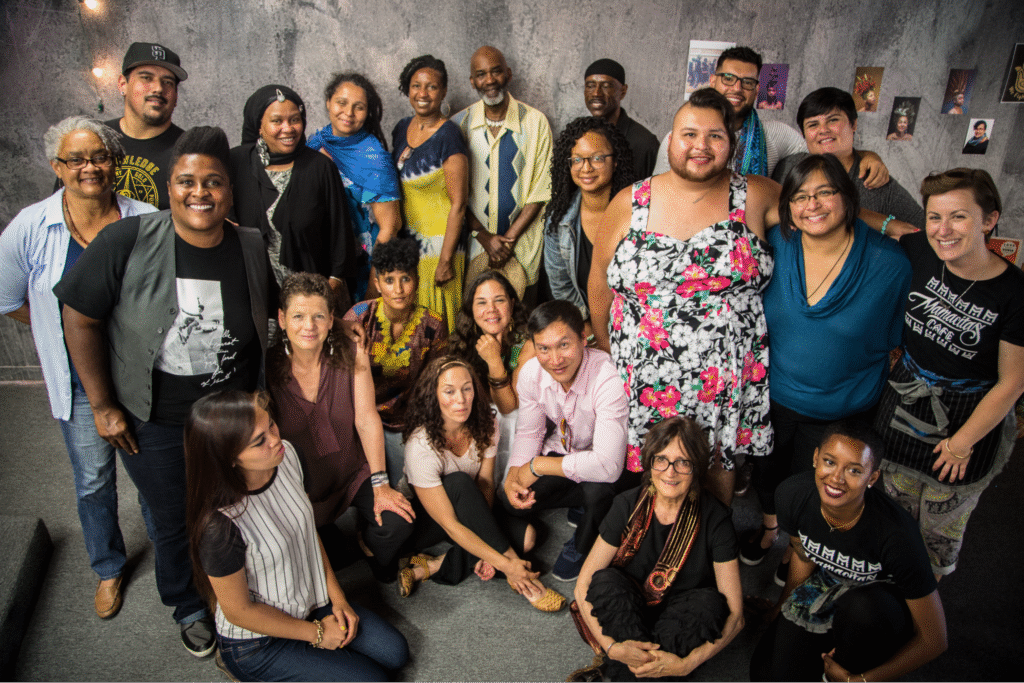
Growing up in Oakland, a city shaped by the Black Panther Party, the Third World Liberation Front, immigrant and women-led grassroots movements, and the creative genius of everyday people, I inherited a political and cultural DNA that continues to guide me. My family taught me community stewardship.
When I joined Akonadi Foundation as Vice President of Programs in 2014, I never imagined myself working in philanthropy. But Akonadi was different. It wasn’t just a funder — it was an actor in service of racial justice, willing to take risks, listen deeply, and let movement leaders steer the work.
For example, Akonadi was among the first funders to support BOP’s decade-long campaign to remove police from Oakland schools, a campaign that culminated in the passage of the George Floyd Resolution. This victory was not just about ending a harmful system; it was about reimagining safety led by Black communities, for the benefit of all students. I am also proud of Akonadi’s investment in strengthening multiracial youth organizing through the Free Our Kids Coalition. Alongside partners like Urban Peace Movement, CURYJ, Young Women’s Freedom Center, and others, this coalition successfully stopped a $75 million plan to rebuild Camp Sweeney, a juvenile detention facility. They reminded the region that we must invest in youth, not incarceration.
These wins didn’t happen because philanthropy had the perfect strategy. They happened because Akonadi practiced deep listening, trusted the leadership of people of color, and was willing to invest in innovative and controversial work years before it became mainstream. Sometimes our role was simply to say, “Yes — we believe in you,” and let movement organizations lead us toward the future.
I continue to lean upon these lessons in my own journey:
- Listen deeply, then trust. Ask what’s needed, gather just enough information, and let organizations lead.
- Invest for the long game. A single grant cannot transform a system. Movements need multi-year commitments that sustain people and organizational practice.
- Show up in real life. Attend events, witness the work, and understand conditions on the ground.
- Resource culture as a frontline strategy. Cultural shifts pave the way for political ones — movements need both.
What Sustains the Work and Why Community Must be at the Center
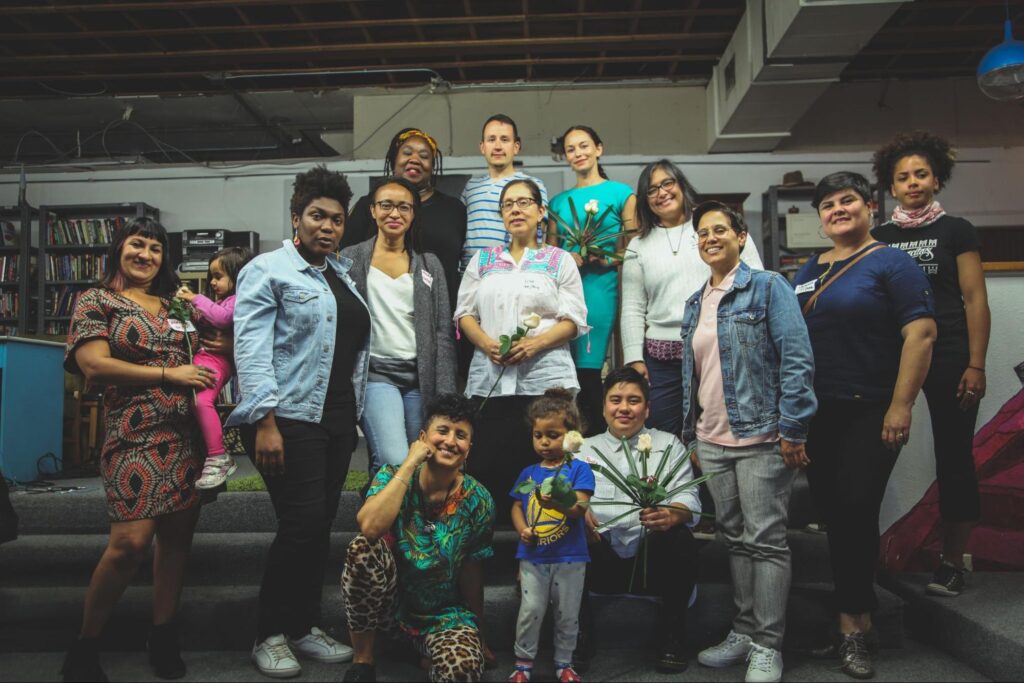
We are at a critical crossroads. We are living in a moment of rising authoritarianism, fear, and uncertainty. But our ancestors knew what to do in times like these: stay grounded in each other, build durable organizations, cultivate imagination, and fight, even when we are afraid.
What keeps me going is witnessing people show up for one another — organizers, artists, cultural workers, young people, elders — all willing to cultivate a world where we belong and our fullest development is possible. Organizing is a long game, and what sustains me is knowing that across neighborhoods, across identities, and across generations, people are still building, still dreaming, still refusing to let harm have the final word. I carry a deep sense of gratitude and responsibility for the lineage of leaders and historical moments that shaped the movements we’re part of today.
Centering community in this work requires proximity — to the people, to the practice, and to the histories written into the places we call home. It means relationships rooted in shared values, not transactions. And it means supporting the whole person, the whole family, the whole ecosystem. Organizing and culture are not separate strategies; they are intertwined pathways toward liberation. When funders resource both, we help strengthen the political, creative, and relational muscle that movements need for the long haul.
Professionally and personally, I have been shaped by the grace, honesty, and solidarity of Akonadi staff, partners, and grantees. I think about grant partners walking me through their strategies, sharing their challenges and hopes, even while carrying devastating losses in their communities. I think about our staff team — mostly women at one point — who cared for one another, laughed together, celebrated Halloween and shared food, and held joy as a political practice.
Akonadi taught me what’s possible when we commit to being part of something bigger than ourselves — a larger “we.” And that commitment continues to guide me today.
A movement battle cry from the Philippines during the 1970s and ’80s dictatorship still rings true:
Makibaka! Huwag matakot!
Fight! Do not be afraid!
None of our organizations can win alone. It will take all of us, across sectors, identities, and generations, aligning in shared purpose and shared courage to fight for the future we deserve.
