
A Conversation with Thi Bui and Quinn Delaney
“We shouldn’t overthink it. We should jump in and do what we can in the moment, and maybe in the next moment we’ll think of something else. All of our efforts, cumulatively, will cover everything. There is no single way to participate in building a racially just world.”
— Quinn Delaney, Founder and Board Chair, Akonadi Foundation
“The best way for people to help right now is to literally find where they fit in and get to work.”
— Thi Bui, 2026 Racial Justice Poster artist
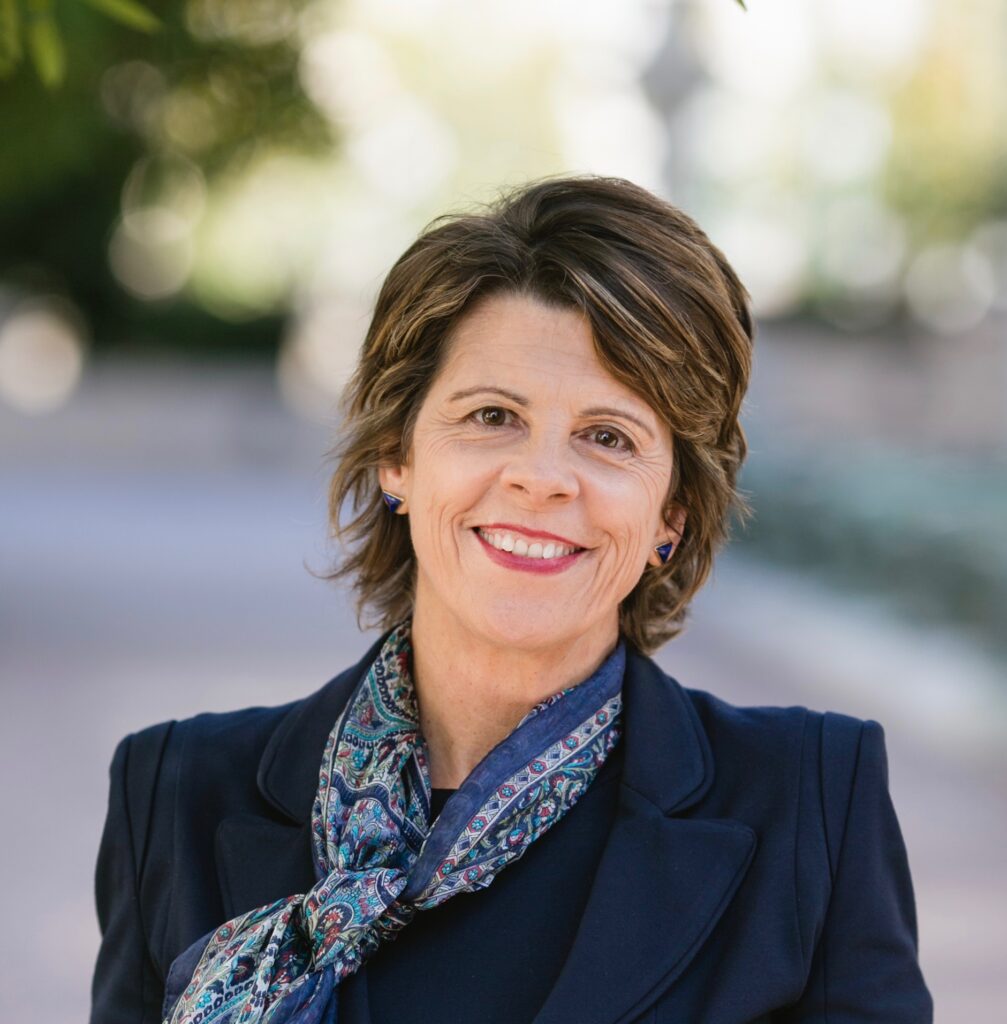
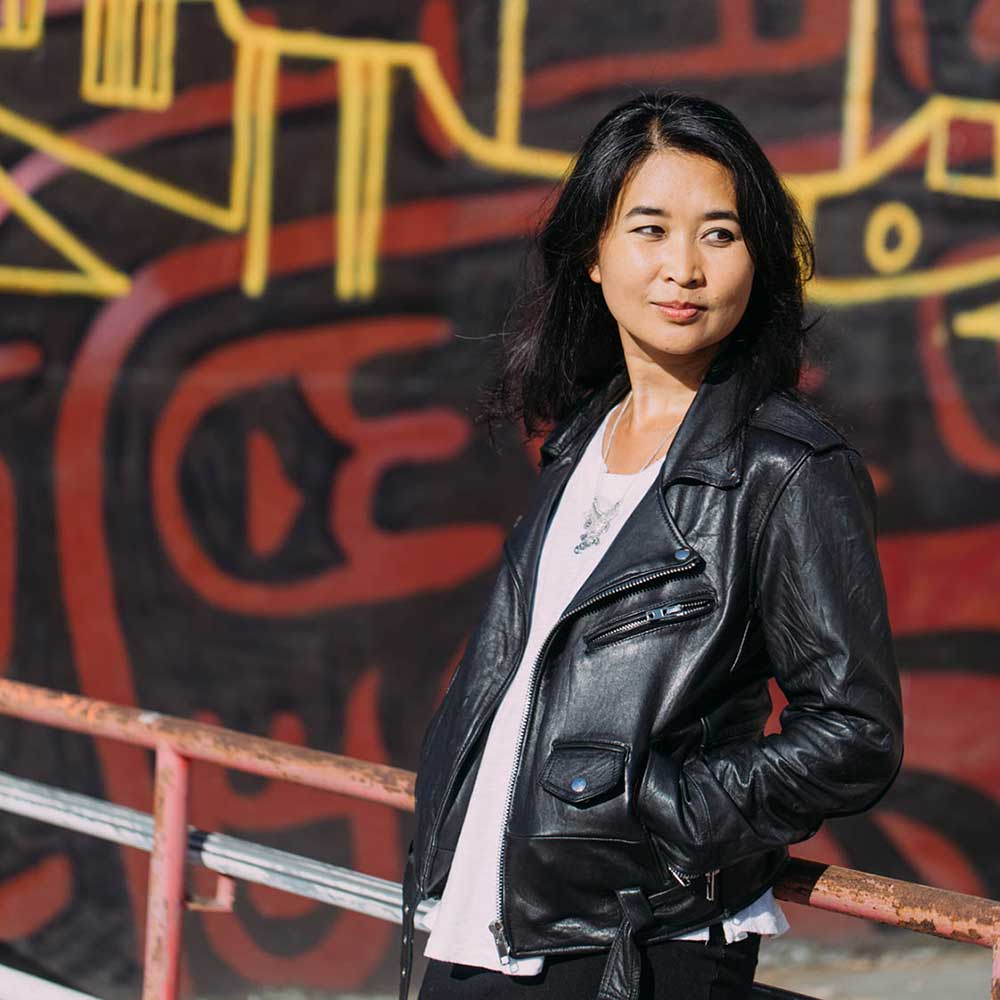
Every year on March 21, the International Day for the Elimination of Racial Discrimination, Akonadi Foundation releases a Racial Justice Poster. This day carries deep meaning: it commemorates the Sharpeville massacre of 1960, when South African police opened fire on movement leaders, elders, and children who had gathered to peacefully protest the country’s apartheid “pass” laws. 69 people were killed, including 10 children. This year, and every year since 2008, we mark that history with art.
This year’s Racial Justice Poster, “Get In Where You Fit In,” was created by writer and artist Thi Bui. Recently, we sat down with Thi and Akonadi Foundation Founder and Board Chair Quinn Delaney to talk about the poster, the moment we’re in, and what it means to find your place in the fight for racial justice.
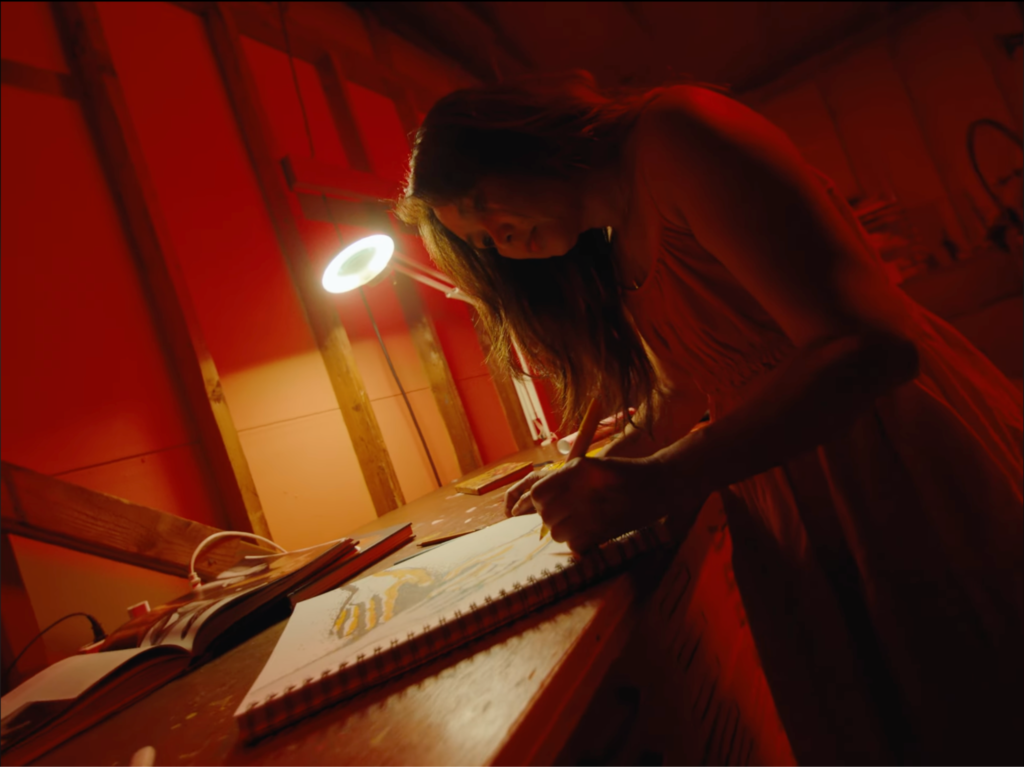
Art That Springs Up Like Wildflowers
Quinn, why has Akonadi invested in the Racial Justice Poster Project for so many years?
Quinn: We wanted to celebrate art and lift up the connection between art and activism. At the time, Melanie Cervantes, who worked at Akonadi Foundation, was making beautiful social justice posters, so we commissioned her to do the first one. The response was amazing because it really captured people’s imagination. And so we continued with different artists and themes over time. Racial justice is a broad topic, and the poster project allowed artists to think of their own vision and their own place in the movement.
Thi, what makes the relationship between art and activism so strong in Oakland?
Thi: In Oakland, art just springs up like wildflowers. Whatever is on the public’s mind comes out expressed in art, and so it becomes a way for people to engage in public discourse. I think about all the businesses that closed during the pandemic, including the plywood that went up over windows to protect property, and how people created art all over them. Local artists were getting paid to do beautiful murals, and I would be walking or driving by and recognizing the artists because they were my colleagues and friends. There is an aliveness to the culture in Oakland that is just part of the way people move through life. When there are political things happening, whatever is on the public’s mind comes out expressed in art.
Thi, how can art help people feel like they belong in the fight for racial justice?
Thi: Art is made by people and helps you remember that you’re a human being with flesh and bones and feelings, as well as thoughts and political stances. We can’t solve human problems without thinking about our humanity. To solve human problems, we have to act like human beings, and art helps us stay grounded in that.
Centering those Most Vulnerable
Thi, the poster is centered around a spiral representing a continuum of care. Where did that idea come from?
Thi: The idea of concentric circles actually came up in my book when I was creating a quick graphic to help people in New Orleans organize in response to ICE. I was trying to visualize what care looks like in a whole system and how people could self-organize into concentric circles, protecting the most vulnerable in the center. The tighter we made our rings, the safer those people were likely to be. I carried that idea into this poster, thinking about what mutual aid has looked like in Oakland, where I lived during the pandemic. I thought about caregivers and kids at the center, and the rings around them as all the different ways people show up, including urban gardeners, turf dancers, protesters, voters, door knockers, and community kitchen workers. I also thought about our inner child — that we have to nurture that in ourselves so we can keep doing this work and stave off cynicism as long as possible.
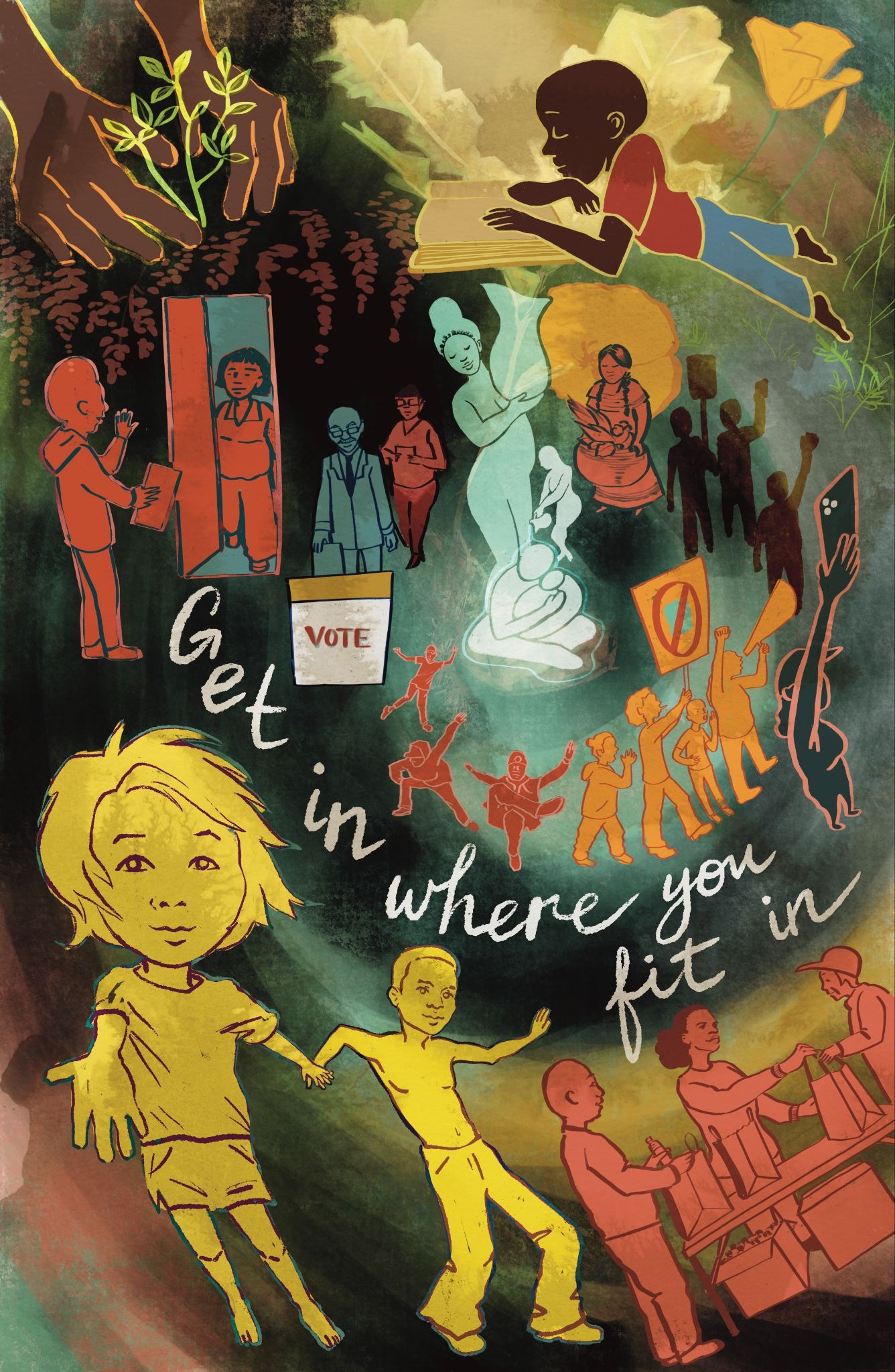
Thi, the figure at the front of the poster has their hand outstretched. Who is that?
Thi: That’s my inner child. I put her in there. I could speak from my pedestal as an artist, but I feel like it’s more direct if it’s my inner child reaching out to someone else’s inner child, saying: “It’s okay, we’ll make it, we’ll do this together. Come on in.”
Quinn, where do you see yourself in the poster?
Quinn: I see myself in that same image — the person welcoming people in. My years at Akonadi Foundation were a chance to bring people into racial justice funding, to think about racial justice in all of its many aspects, and to engage with funders focused on other issues who may or may not have thought about the racial equity dimensions of their work. Akonadi has always tried to make it easy and understandable for people to join the fight for racial justice.
There Is Room for All Kinds of Courage
Thi, your artist statement talks about courage as something rooted in love and empathy. Can you say more about that?
Thi: Standing up in scary times does require courage. Speaking out when it’s easier to keep quiet and blend in requires courage, and sometimes we have to encourage each other to do so. The root word of courage is cor, which is Latin for heart. Courage is motivated by love and empathy, and the desire to protect and nurture what is good. A capacious heart sees all children as our children, Earth as a home that all beings share, and a future where all of us are free.
The theme “Get In Where You Fit In” feels especially resonant right now. Why does that message matter at this moment?
Thi: It’s so easy to get overwhelmed by bad news. It can feel like a five-alarm fire every day, and that can be really paralyzing. That’s the opposite of what we need. We have enough people to deal with a lot of things, but so many people are defeating themselves before doing anything at all. I wanted to show people that it is okay to do whatever they can. The best way for people to help right now is to literally find where they fit in and get to work.
Quinn: We shouldn’t overthink it. We should jump in and do what we can in the moment, and maybe in the next moment we’ll think of something else. All of our efforts, cumulatively, will cover everything. There is no single way to participate in building a racially just world. Dancers and protesters. Voters and caregivers. Artists and organizers. Funders and teachers. All of it matters.
Quinn, what’s your message to funders at this moment?
Quinn: We are at a real tipping point. We were making progress around racial justice and racial equity, and there has been a backlash. But a backlash is just a testament to how far we’ve gotten in this work. So we need to take that for what it is and think about how we stay true, galvanize our efforts, and continue to push through. The times we’re in are far more difficult than they have been in quite a while, but that just means we need to sustain ourselves and fight longer and harder.
Q: Thi, what do you want funders to know about investing in artists?
Thi: It’s such a gift to be honored as a whole person and to be given the space and freedom to really create, rather than just illustrate an idea or meet a request in a transactional way. A lot of people think that when they engage with an artist, they have to already envision what they want, so the artist just executes, and that loses so much of the magic of what art and artists can do. So it’s really wonderful when you come upon an organization that gives you broad autonomy and, quite frankly, a budget to do things.
Share the Poster and Join Us
We hope this poster finds its way into your classroom, your office, your home. You can request a copy of the poster here, and we encourage you to share it with your neighbors, your coworkers, and your comrades, with hopes that it sparks a conversation, a commitment, or even a small act of courage.
Help us spread the word. Share a photo of yourself with the poster on social media using the hashtag #RJPP26, and tag us on LinkedIn, Facebook, and Instagram at @AkonadiFoundation.
“Even when the days are dark, we can find courage together. Take heart. There’s room for all kinds. Get in where you fit in.”
– Thi Bui
