
By Geraldine Alcid, Executive Director at Filipino Advocates for Justice
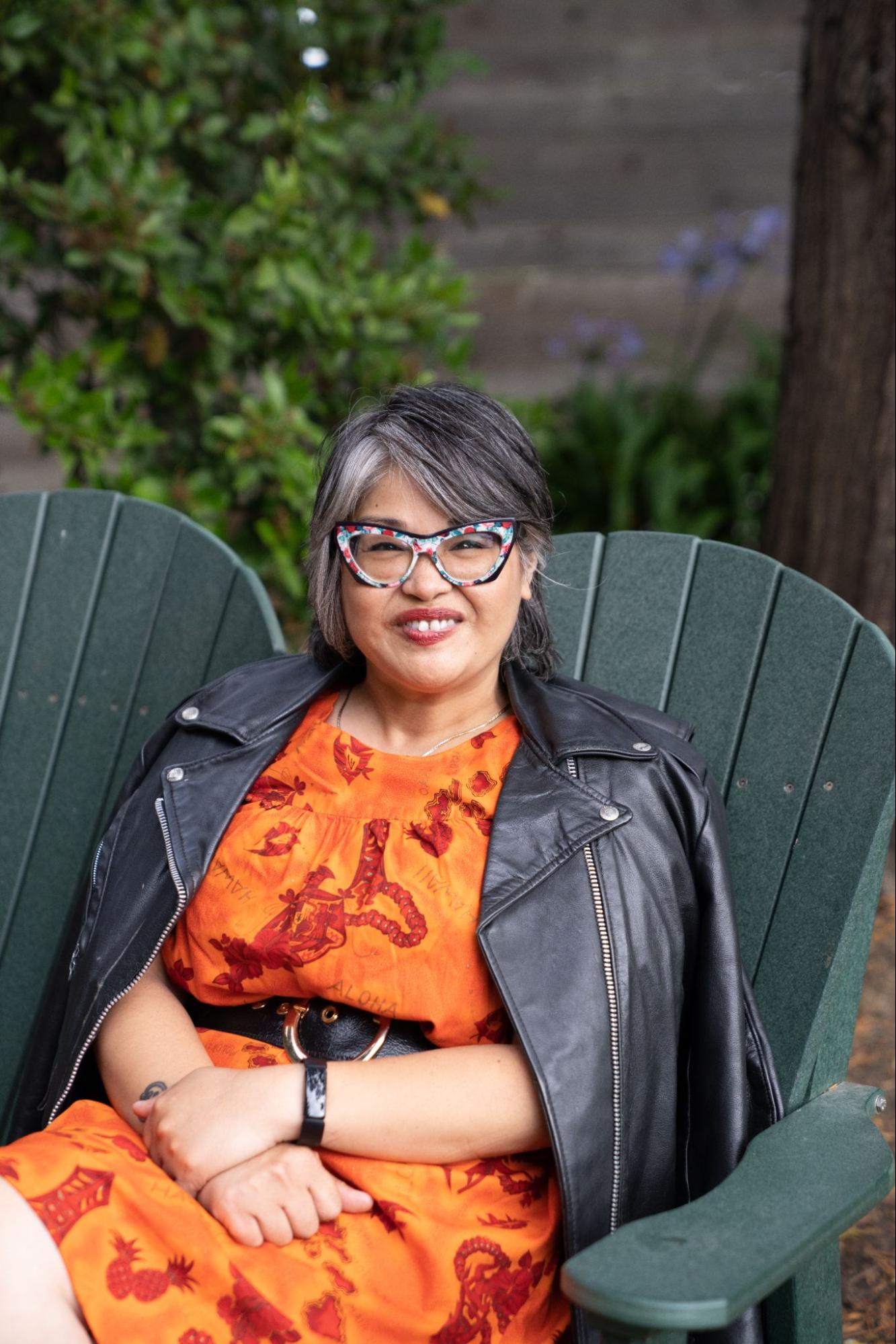
For over 50 years, Filipino Advocates for Justice (FAJ) has been at the heart of organizing in the East Bay. Founded in 1973 in the wake of the 1965 Immigration Act, FAJ began as a small effort by students from Berkeley and San Francisco to support newly arrived Filipinos facing discrimination. At the time, a wave of social and political movements, from the Third World Strike to the birth of ethnic studies, fueled a broader ecosystem of Asian civil rights organizations in the Bay Area. FAJ emerged as a community-driven project dedicated to helping Filipinos navigate daily life, while fostering cooperation, protection, and solidarity—a mission that continues to guide our work.
Cross-racial solidarity is a guiding principle of our work. Our youth and worker leaders learn the broader history of systemic discrimination, seeing their struggles as part of a collective fight for justice. This perspective informs our coalition work statewide and locally, from youth voters of color tables to Bay Rising partnerships, reinforcing that we are all facing the same horizon of justice together.
Rooted in community care
Over the decades, FAJ’s focus has evolved to meet the urgent needs of East Bay youth, young adults, low-wage workers, and elder immigrants, including caregivers and domestic workers. Today, our community faces intersecting challenges: economic instability, housing insecurity, the mental and emotional toll of systemic inequities, and threats amplified by anti-Asian violence and anti-immigrant policies. Recovery from the pandemic has introduced new pressures, especially for young people navigating social media and social isolation. Across generations, the feeling of facing these struggles alone has been a consistent thread.
My personal journey with FAJ began in 2006, when I joined as the organization’s first programs director. Coming from a corporate nonprofit environment, I was drawn to FAJ as a political home—a place where my work could make a real impact. After a brief sabbatical to focus on family, I returned, inspired by the urgent need for leadership and continuity, and became executive director in 2017. My experiences shape how I approach organizing: prioritizing relationships, trust, and the humanity of everyone involved.
FAJ’s base-building approach is rooted in these relationships. We create multiple entry points for engagement, including wellness clinics, social gatherings such as potlucks and karaoke, youth programs, and civic engagement campaigns. These spaces allow community members to get to know us, build trust, and eventually share their challenges, whether undocumented status, wage theft, or housing insecurity. Youth programs in high schools and community offices further foster leadership and connection, with young people inviting friends and spreading engagement organically.

Building a powerful movement
Our organizing has produced tangible wins. In housing, we have championed just-cause eviction protections and rent control in Union City and Alameda, and more recently, secured a rental registry in Hayward to prevent illegal rent increases and evictions, enforce safe living conditions, and improve housing laws. These victories are paired with ongoing efforts to educate residents about their rights. Beyond policy wins, FAJ has centered wellness and healing, recognizing that self-care is essential for the sustainability of our movement. Since 2021, we have integrated practices that support both community members and staff, acknowledging the cumulative trauma and burnout experienced in our work.
To funders, decision-makers, and community members, I offer this message: our movements rely on the people carrying the work. Without investing in their wellness, their capacity to collaborate, and their ability to navigate these challenging times, progress is fragile. Philanthropy that centers care, learning, and human resilience is essential for building lasting change. When our people thrive, our communities thrive.
Adapting to crises, whether political threats, economic pressures, or public health emergencies, has required flexibility, safety protocols, and innovation. Digital organizing, recalibrated in-person outreach, and a focus on internal care have all strengthened our capacity to serve and mobilize the community effectively.
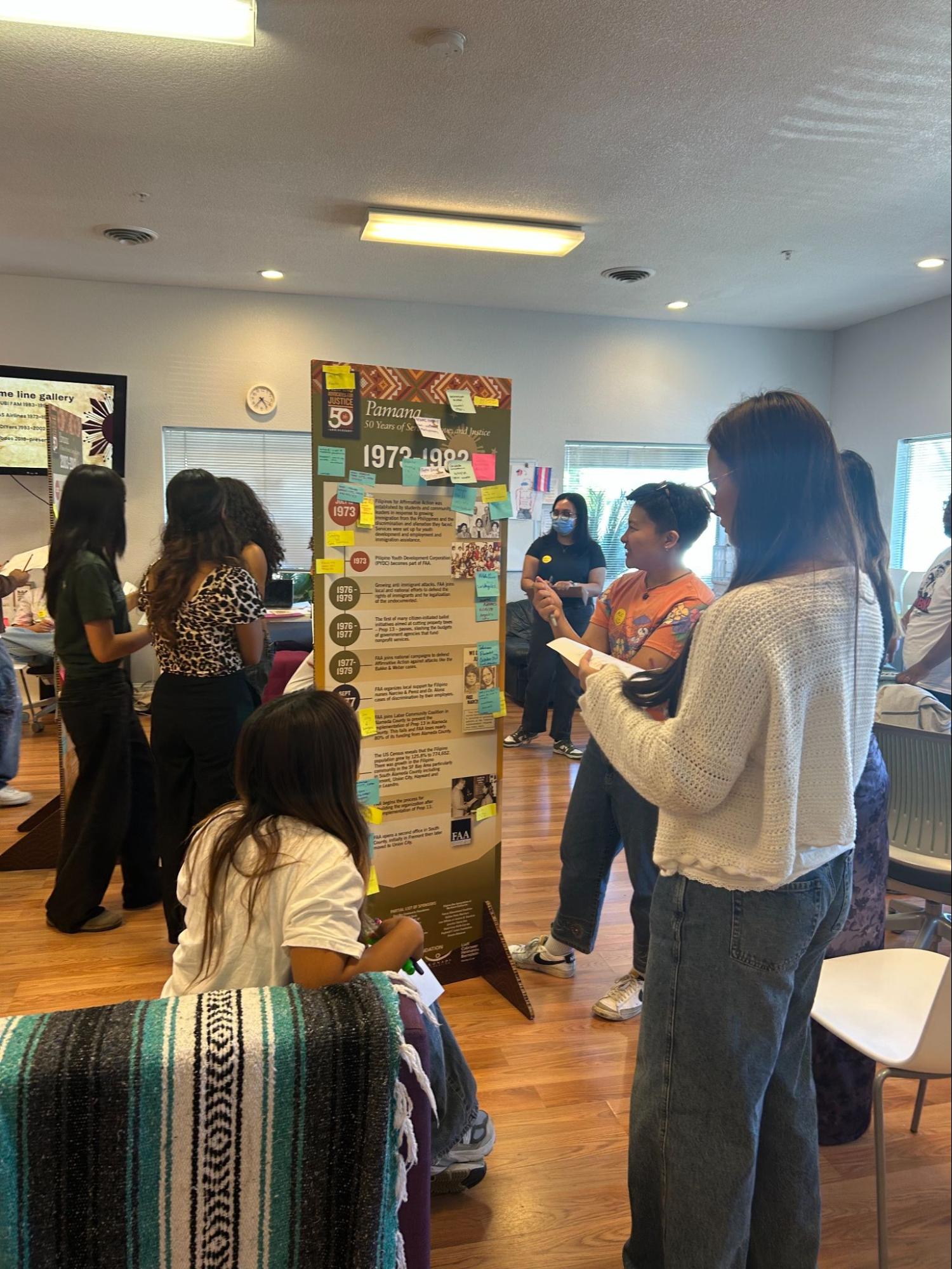
Cross-racial solidarity is a guiding principle of our work. Our youth and worker leaders learn the broader history of systemic discrimination, seeing their struggles as part of a collective fight for justice. This perspective informs our coalition work statewide and locally, from youth voters of color tables to Bay Rising partnerships, reinforcing that we are all facing the same horizon of justice together.
Towards a thriving future
Looking forward, I envision an Oakland where historically marginalized communities can truly govern and thrive: a city with a government that prioritizes the common good over greed, ensuring healthcare, education, housing, environmental health, and opportunity for all. My hope comes from real-life connections—the staff, youth, and neighbors who show resilience, care, and vision every day—and from witnessing the optimism of the next generation, our children who carry sharp awareness and hope for the future.
Our relationship with Akonadi Foundation has been instrumental in sustaining this work. Flexible, multi-year funding allows us to creatively support community wellness, experimentation in organizing, and long-term capacity building, ensuring that our people are resourced and empowered.
To funders, decision-makers, and community members, I offer this message: our movements rely on the people carrying the work. Without investing in their wellness, their capacity to collaborate, and their ability to navigate these challenging times, progress is fragile. Philanthropy that centers care, learning, and human resilience is essential for building lasting change. When our people thrive, our communities thrive.
