
By Vanessa Camarena-Arredondo, former Program Officer at Akonadi Foundation; and current Initiative Lead, Cultural Self-Determination at Tao Rising

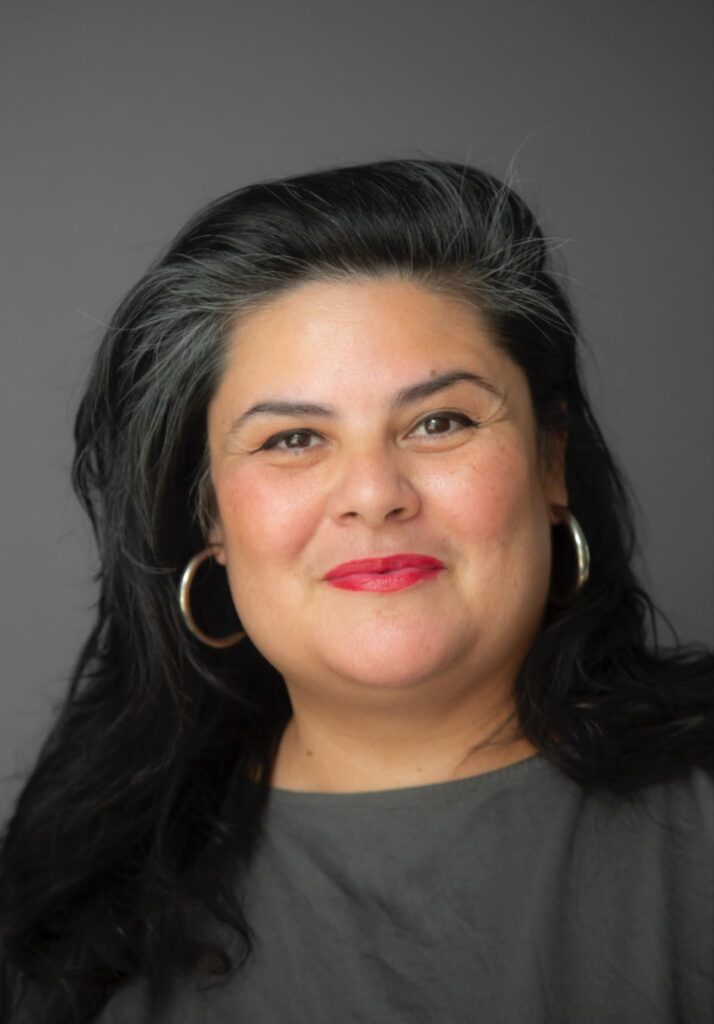
When I first encountered Akonadi Foundation, I had just returned to philanthropy. I was in the San Francisco Foundation’s Multicultural Fellowship Program in 2008, a time when naming race explicitly as central to justice was not something that many foundations did. Then Quinn Delaney and Melanie Cervantes came to speak, and I’ll never forget it: they named race clearly and unapologetically as the defining factor in equity and social justice work. That moment ignited something in me because it showed me what was possible in philanthropy when you lead with courage.
I had seen Akonadi’s impact firsthand in Oakland. Their Beloved Community Fund supported festivals and cultural events led by communities of color. These were the type of programs that nourished the soul of the city and sustained the artists and cultural workers I was in community with. My own organization, Studio Grand, received support from Akonadi through their Beloved Community Fund to help me host Día de Muertos events, a vigil for the Pulse Club Massacre, and exhibitions and community events with artists such as Valerie Troutt, Antique Naked Soul, Amaryllis DeJesus Moleski, Cece Carpio, and Oakland photographer Chance, among many others. That funding was one of the few lifelines available to arts and culture spaces in Oakland at the time. It wasn’t just a grant; it was an affirmation that our cultural practices, our histories, and our healing mattered in the fight for racial justice.
The work was always about protecting culture, protecting people, and protecting Oakland’s legacy of solidarity across Black, Indigenous, Latinx, and Pacific Islander, Asian American communities.
Centering Race, Centering Accountability
Because of these experiences, when I returned to philanthropy in 2017, after having run a small Oakland art space, I knew in my bones that I wanted to be a part of Akonadi Foundation. I loved working with Akonadi because of its clarity: this foundation has never shied away from naming race, even as diversity, equity, and inclusion remain under attack. Akonadi has consistently centered Black communities, building deep relationships rooted in accountability, not just to boards or institutions, but to the people of Oakland. That was the mark distinction I appreciated – that we had to do right by Oakland, Black people, and people of color in this good City.
That accountability shaped how we designed and stewarded funds like the Beloved Community Fund, the Just City Cultural Fund, Creatives in Place, and So Love Can Win. Each one was born from listening to community, standing alongside artists and cultural practitioners, and resourcing them as movement-builders. Whether getting behind theater pieces led by Oakland Poet Laureate Dr. Ayodele Nzinga of Lower Bottom Playaz; supporting Town Up Tuesdays to ensure Black and Brown youth could gather joyfully, or creating spaces of healing for families impacted by police violence, the work was always about protecting culture, protecting people, and protecting Oakland’s legacy of solidarity across Black, Indigenous, Latinx, and Pacific Islander, Asian American communities.
Investing in arts and culture means investing in safety, in mutual aid, in democracy itself.
Culture as Systems Change
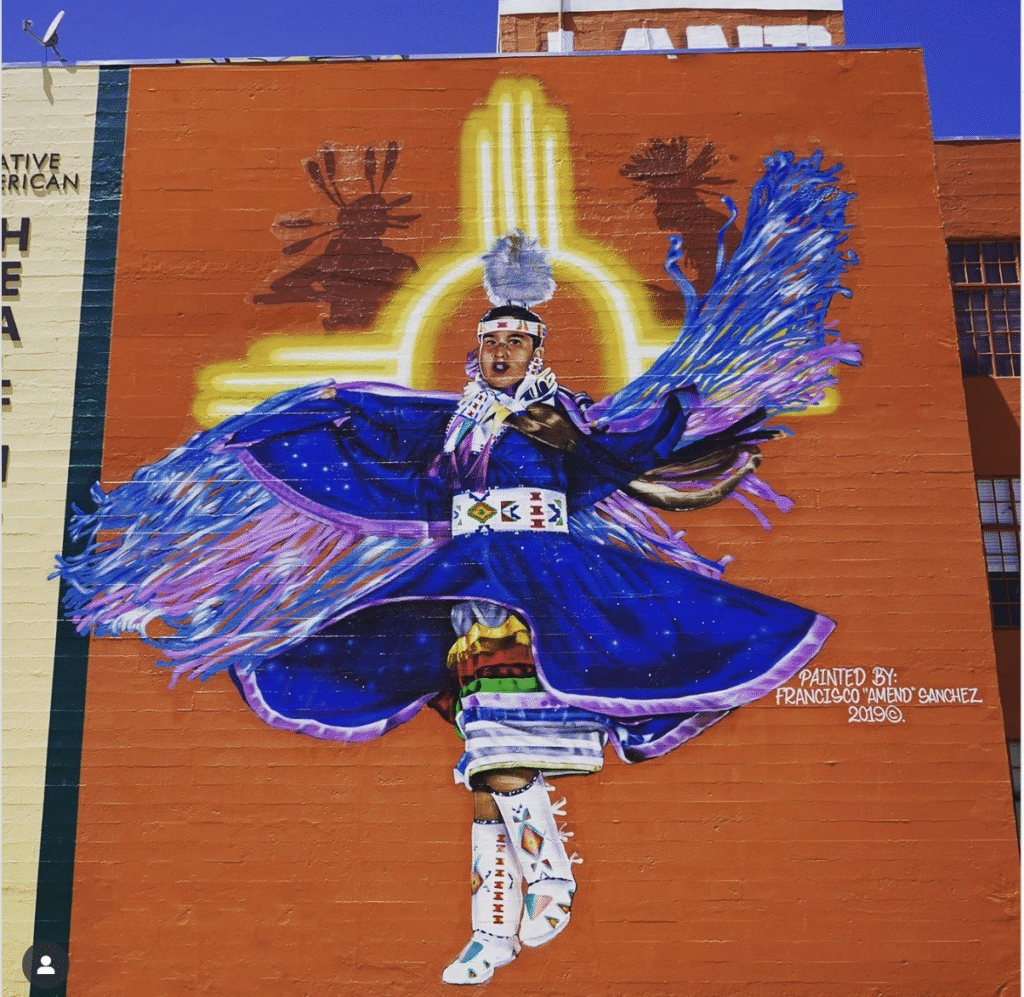
One of the most powerful things Akonadi taught me in practice is that culture is not separate from systems change. It is systems change. In Oakland, you can see this everywhere: in the murals that reflect love back to our children, such as the Carrying on Tradition mural painted by Oakland artist Francisco ‘Amend’ Sanchez on the side of the Native American Health Center in the Fruitvale; in the Congolese dance classes offered by Muisi Casquelord who leads Fua Dia Congo where young people embody freedom, a tradition started by her father pioneering master artist Malonga Casquelourd; and in the gatherings that affirm our belonging, like those hosted by Queer Crescent, an Oakland-based queer Muslim healing justice organization. These cultural practices are how we resist, how we heal, and how we build the future. We had the privilege and honor of funding these groups that provide cultural cover to our people.
Investing in arts and culture means investing in safety, in mutual aid, in democracy itself. It means honoring the lessons of the Black Panther Party and Indigenous practices of reciprocity and community accountability. That is why Akonadi’s healing, arts, and culture strategy is so important: it affirms that cultural self-determination is a frontline strategy as well as a kitchen table strategy for racial justice.
Looking Back, Looking Forward
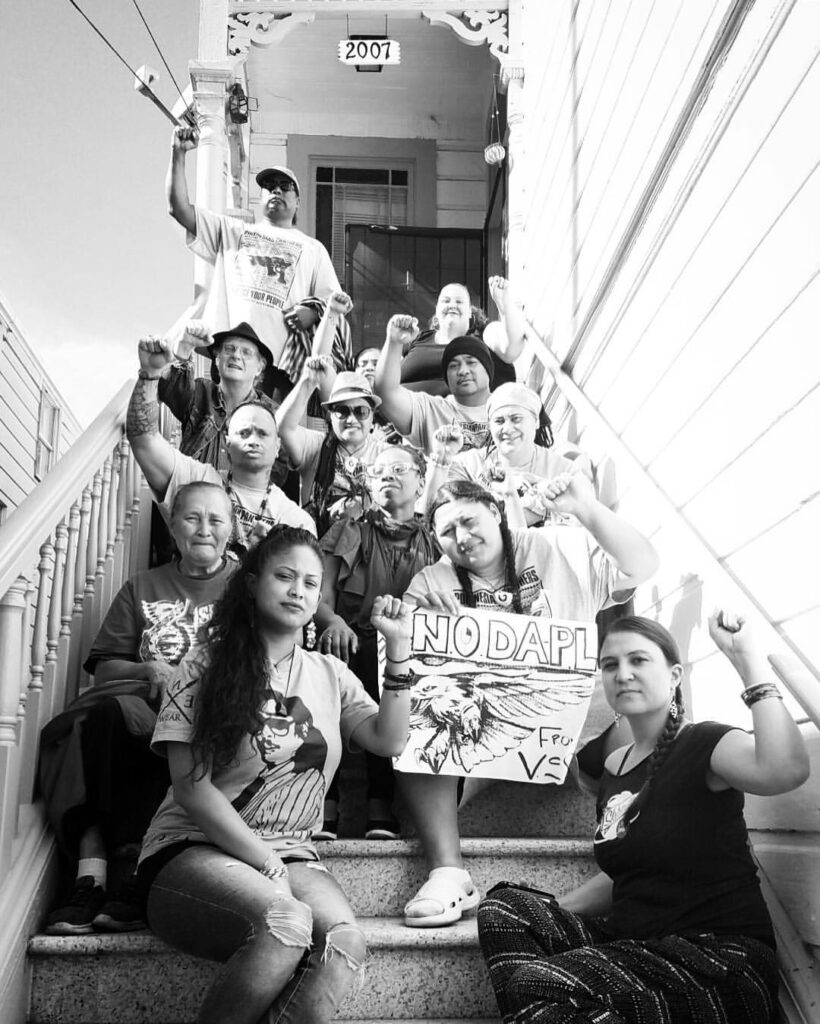
What stays with me the most from my time at Akonadi is the deep community and solidarity among staff, and how that spirit extended to our grantee partners, our board, and the broader community. Under the leadership of Quinn, and later with the brilliance of Lateefah Simon, Akonadi built not just a foundation, but a community of practice rooted in radical love.
As Akonadi celebrates 25 years, I see Oakland as a beacon of light for the world. Our city carries the legacy of Black liberation, Indigenous sovereignty, Chicano movements, and Asian solidarity. The work of reindigenizing and rematriation by leaders like Corinna Gould of The Sogorea Te Land Trust and the Intertribal Friendship House is a reminder that cultural self-determination is alive and thriving here, providing crucial spaces that allow Black and brown residents to stay connected to their heritage and traditions while continuing to be a beacon of light for generations to come.
Oakland’s cultural landscape is not going anywhere. It continues to grow, evolve, and inspire. And Akonadi’s legacy will always be part of that story: a testament to what is possible when philanthropy follows the lead of artists, organizers, and communities who are reimagining liberation and an Oakland that benefits us all.
